

Nurse-led research, funded in partnership with Raise it for Redcliffe Hospital, has paved the way for dementia patients to access weighted blankets during hospital stays - a drug-free, side-effect free alternative to ease anxiety and agitation and prevent complications.
Patients living with dementia frequently experience heightened agitation in acute care settings, where the unfamiliar, noisy and fast-paced environment can be overwhelming.
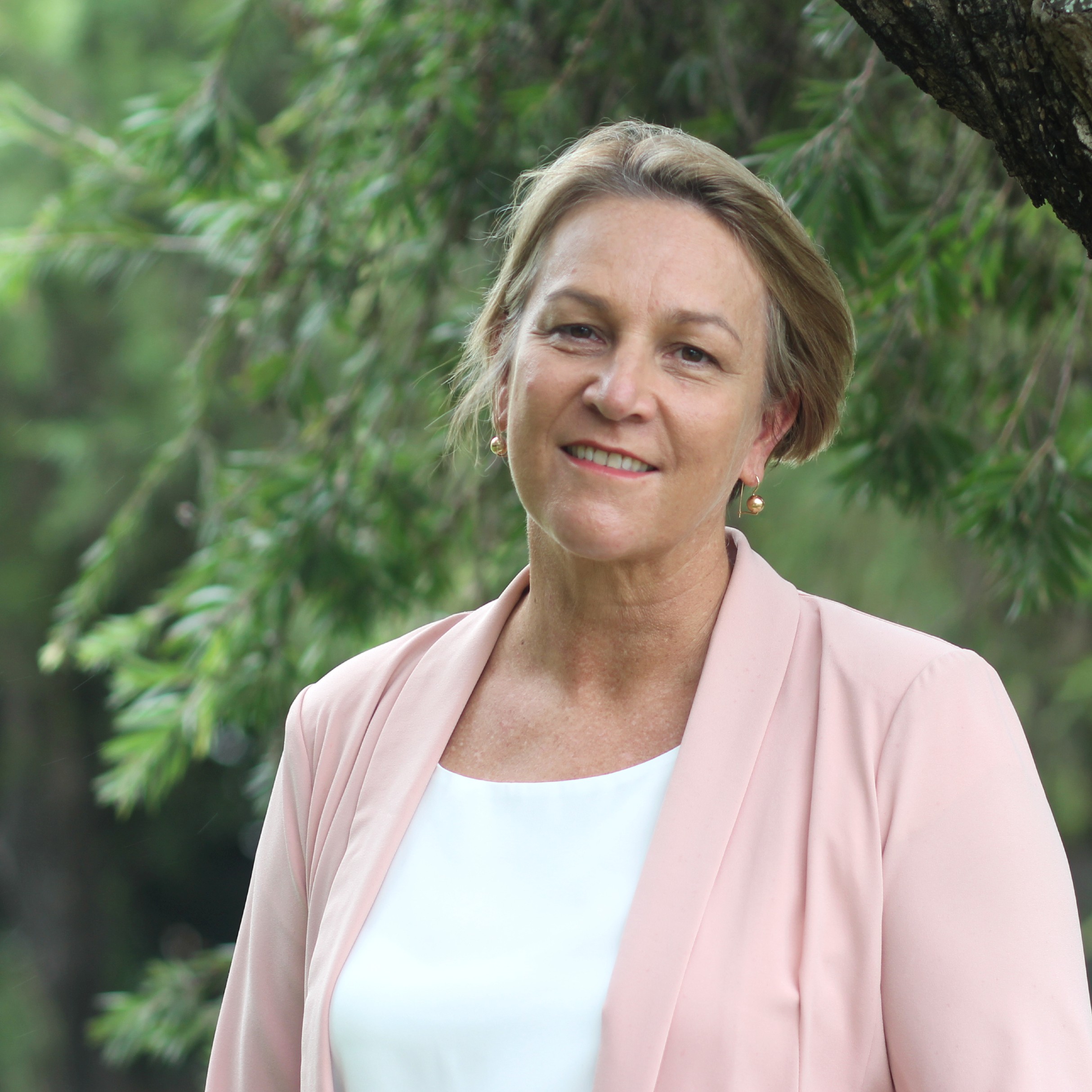
“The response can be dangerous both for the patient and people caring for them,” Associate Professor Amanda Fox said.
“Often the first line of treatment is pharmacological which can lead to adverse side effects such as sedation and increased risk of falls.”
The alternative of a weighted blanket, she said, has the potential to offer a “unique non-pharmacological way to reduce patient agitation”.
The average length of stay for someone with dementia is 15.5 days - almost six times the average patient hospitalisation, with higher rates of hospital-acquired complications, such as wounds, falls, delirium and incontinence.
While weighted blankets have long been associated with decreased anxiety and improved sleep, Professor Fox said that prior to this study their use in an acute hospital setting had not yet been established as either safe or feasible.
The research team closely monitored heart rate, respiratory rate and agitation levels to ensure blankets did not cause respiratory suppression. They assessed risks including pressure injuries and tripping hazards, and surveyed staff on practical considerations such as storage, laundering and ease of use.
The results, Professor Fox said, were positive.
“As healthcare continues to evolve towards more holistic and individualised care strategies, integrating weighted blankets represent a promising avenue for enhancing the quality of care for patients with dementia.”
Now published in the Journal of Advanced Nursing, this research has paved the way for further studies into optimal weight recommendations and best practice usage – including blanket size and period of use - to make hospital stays better for already vulnerable patients.
